Dependable Remodeling Contractor: Elevate Your Home's Value and Design
A dependable remodeling contractor plays an essential role in improving both the value and visual attractiveness of a home. Their expertise guarantees that jobs are finished to excellent quality, blending practicality with style. By recognizing client needs and following safety guidelines, these professionals can renovate spaces effectively. However, selecting the appropriate contractor is not always straightforward. What qualities should homeowners prioritize to secure a accomplished remodel?
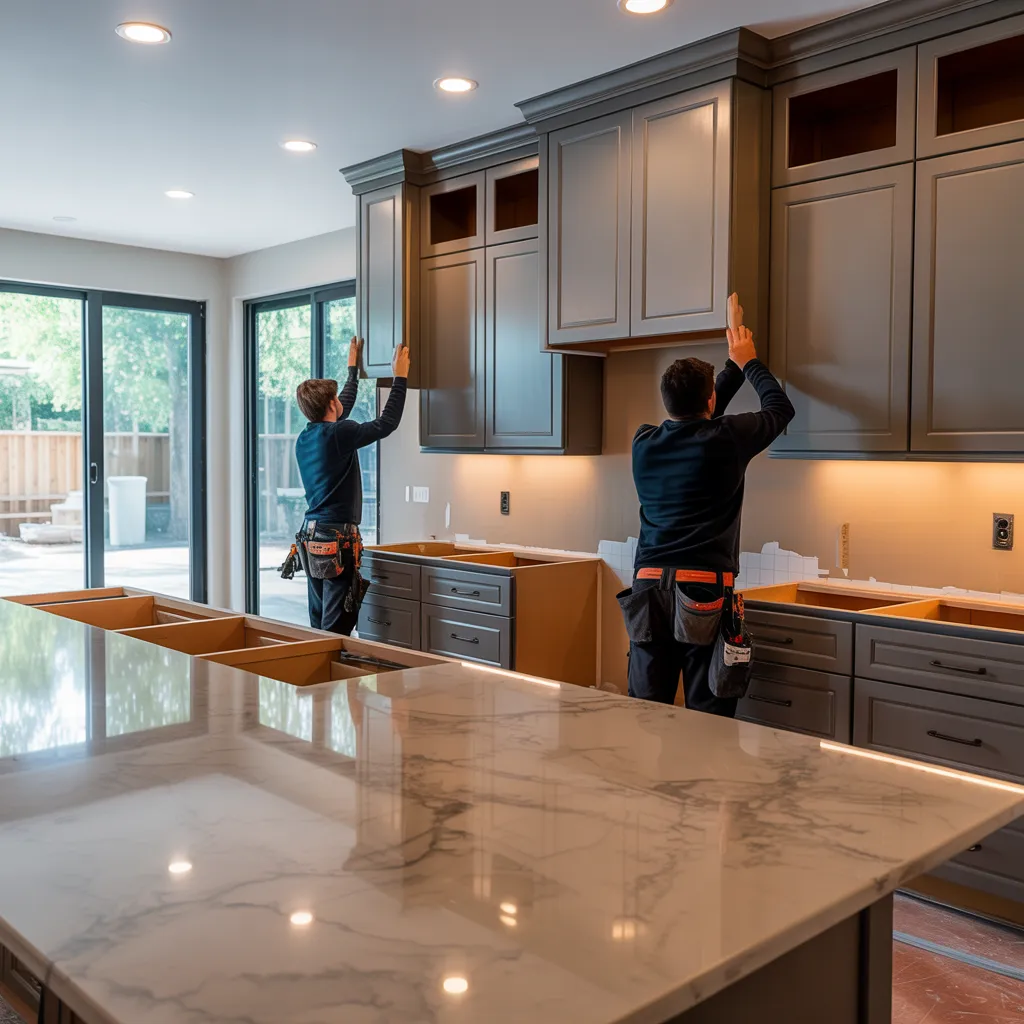
Selecting the Suitable Home Renovation Specialist for Your Work
When starting a home remodeling project, how does one guarantee they select the right contractor? The process commences with comprehensive research. Homeowners should obtain recommendations from friends, family, or online platforms that focus on contractor reviews. Once a list of potential candidates is gathered, verifying their credentials becomes essential. This includes checking licenses, insurance, and any relevant certifications.
Interviews are crucial in the selection process. Homeowners should compile questions to assess each contractor's expertise, work approach, and deadlines. Requesting examples of past work can reveal their work quality and aesthetic.
In addition, obtaining numerous estimates gives homeowners the ability to weigh expenses and service offerings. Effective correspondence about vision and expectations is imperative, ensuring that both parties are in sync. By taking these steps, homeowners can increase the prospect of identifying a solid renovation contractor who delivers their exact needs.
Main Characteristics to Seek Out When Engaging a Renovation Expert
When selecting a remodeling contractor, certain traits can greatly influence the project's success. Proven experience and expertise ensure that the contractor can manage different obstacles effectively. Additionally, clear communication abilities foster trust and clarity throughout the renovation project.
Verified Background and Expertise
Proven experience and skill are crucial attributes in a remodeling contractor, serving as indicators of reliability and skill. Contractors with a robust portfolio demonstrate their ability to handle a variety of projects, highlighting their adaptability and creative insight. Years of service in the industry often indicate a deep understanding of building codes, materials, and design trends, which can greatly improve project outcomes. Additionally, experienced contractors are more likely to foresee challenges and formulate practical solutions, reducing delays and unexpected costs. Client testimonials and case studies further validate their capabilities, providing insights into past performance. Ultimately, choosing a contractor with proven experience and expertise can ensure a successful remodeling project that improves both value and aesthetics.
Clear Expression Competencies
Effective communication functions as the backbone of a successful remodeling project. A reliable contractor must exhibit open communication skills, ensuring clients are informed during the project. This encompasses setting clear expectations, discussing timelines, and providing updates on progress. A builder who carefully pays attention to the customer's requirements fosters confidence and teamwork, rendering it easier to address concerns as they emerge. Detailed records, such as agreements and change orders, is essential for preserving openness and preventing confusion. Furthermore, candor about expenses and possible obstacles demonstrates expertise and integrity. Ultimately, a contractor skilled in open dialogue not only enhances the remodeling experience but also adds to the undertaking's overall achievement and customer contentment.
Why Professional Remodeling Proves Important
Professional remodeling offers significant advantages that stem from the knowledge and experience of skilled professionals. Using premium materials guarantees durability and improves the visual appeal of a home. Moreover, a professional approach leads to better time management and financial savings, ultimately helping the homeowner.
Professional Knowledge and Skillset
Changing a property requires a special blend of expertise and talent that only trained remodeling contractors can deliver. These specialists have vast knowledge of design guidelines, construction techniques, and building codes, guaranteeing projects meet safety and appearance standards. Their experience lets them address challenges effectively, cutting down on delays and unforeseen costs. In addition, skilled contractors offer a meticulous attention, which is vital for a polished finish. They understand how to make the most of space and enhance functionality, tailoring solutions to meet the homeowner’s unique needs. Ultimately, hiring a professional remodeling contractor not only raises the project’s quality but also increases the overall value of the home, making it a practical investment for any homeowner.
Quality Components Used
Quality materials act as the backbone of any prosperous remodeling project, impacting durability, aesthetics, and overall value. Professional remodeling contractors stress high-quality supplies to ensure that renovations remain durable. Using premium materials not only boosts the visual appeal of a home but also enhances its structural integrity. For instance, premium cabinetry, flooring, and fixtures transform a space, making it more appealing and functional. Additionally, these materials often come with warranties and longer life spans, giving homeowners with peace of mind. Engaging a trustworthy contractor confirms that the right materials are sourced and installed correctly, ultimately maximizing the investment made in the remodeling process. This commitment to quality leads to a notable rise in home value and satisfaction.
Time and Cost Benefits
Although remodeling a home can be a complex task, engaging an skilled contractor greatly enhances time and cost efficiency. Professional contractors bring a wealth of knowledge and skills, allowing them to navigate potential challenges effectively. Their established relationships with suppliers often lead to better material prices, minimizing overall costs. Additionally, skilled contractors can precisely calculate project schedules, ensuring that renovations are finished on time, reducing the risk of budget overruns. They also have the necessary tools and workforce to carry out projects without delays. By trusting professionals, homeowners can prevent costly mistakes and rework, ultimately conserving both time and money while achieving their desired results in a efficient manner.
What Points to Be Cautious About When Engaging Contractors?
Navigating through the world of home remodeling can be daunting, especially when it comes to collaborating with contractors. Homeowners should be careful about several key factors to guarantee a successful partnership. First, it's vital to verify credentials and references. A reputable contractor will provide licenses, insurance, and a portfolio of previous work. Second, clear communication is crucial; homeowners should discuss expectations, timelines, and budgets upfront to avoid misunderstandings.
Additionally, homeowners should be wary of builders who require large upfront payments or do not have a comprehensive written agreement. It's recommended to obtain multiple estimates to compare costs and offerings. Finally, regular check-ins throughout the renovation can help track advancement and resolve any problems promptly. By being proactive and informed, homeowners can navigate the remodeling process more effectively and build a positive relationship with their contractor.
The Way Remodeling Raises Property Value
Home remodeling enhances not only aesthetic quality but also considerably increases a property's resale value. By updating essential spaces such as kitchens and bathrooms, homeowners can obtain noteworthy profits on their expenditure. Contemporary fixtures, elegant countertops, and sustainable features often catch the eye of potential buyers, positioning the property more competitive in the market.
Additionally, enhancing curb appeal through landscaping, exterior painting, and new siding can establish a strong first impression, additionally boosting perceived value. Spacious layouts and increased living space also add desirability, as they cater to contemporary lifestyle preferences.
Putting resources into excellent products and design elements can separate a home from competing properties, engaging particular buyers. In the end, careful remodeling not only improves the living experience but positions strategically the home for a rewarding resale, stressing its importance in real estate investment.
Strategies for Maintaining Clear Communication With Your Contractor
Establishing clear communication with a construction professional is vital for a successful renovation undertaking. To encourage this, property owners should begin frequent meetings, which offer chances to talk about advancement, tackle concerns, and explain requirements. Setting a preferred way of communication—whether through email, phone calls, or messaging—helps ensure that both parties stay linked and updated.
Furthermore, it's essential to document all agreements, changes, and decisions made throughout the project. This not only acts as a point of reference but also minimizes misunderstandings. Homeowners should promote transparent communication, inviting their contractor to provide ideas or recommendations that could improve the work. Being attentive to the contractor's inquiries and feedback also strengthens the collaborative relationship.
At last, sustaining a upbeat perspective can nurture a more delightful find out more working atmosphere, aiding both parties. By emphasizing these techniques, productive exchange can allow a more fluid remodeling experience and conclusively, a more satisfying outcome.
Common Errors to Avoid During Your Renovation
Sidestepping common mistakes during a home renovation can greatly impact the project's success and the homeowner's satisfaction. One frequent error is not creating a reasonable budget. Homeowners may misjudge costs, leading to financial hardship and project delays. Additionally, neglecting to hire competent specialists can produce poor workmanship and safety issues.
Another frequent mistake is inadequate planning. Hasty decisions can result in architectural flaws and missed chances for optimizing space. Homeowners should also avoid compromising on supplies, as this can reduce the renovation's durability and worth.
At last, overlooking the relevance of obtaining mandatory permits can lead to legal troubles and construction interruptions. By acknowledging and correcting these pitfalls, homeowners can guarantee a more efficient remodeling experience, ultimately elevating their home's value and aesthetic appeal.
Frequently Sought Questions
How Much Money Should I Plan Aside for a Reconstruction Undertaking?
Planning finances for a remodeling project typically falls between 10% to 15% of a property's value. Elements like work scope, materials, and labor expenses significantly impact the final budget, requiring thorough preparation and deliberation.
What Permits Are Needed for Home Renovation?
Permits mandatory for home reconstruction vary by location and project type. Typically, erection, electrical, plumbing, and mechanical permits are necessary. Homeowners should consult local regulations to guarantee compliance and avoid potential fines or delays.
What is the Timeline for a Standard Remodel Job?
A conventional home remodel generally requires three to six months, determined by scope of the project, dimensions, and complexity. Elements such as permits, modifications to design, and contractor availability can also influence the overall timeline.
May I occupy My Home During Renovations?
Yes, a person can occupy their home during construction work, although it may be inconvenient. Brief disturbances, noise, and limited access to certain areas are common, so preparation and coordination with contractors can help manage the process effectively.
What Occurs if I Exceed Over Budget?
Pushing past the cost limit can lead to monetary difficulties, requiring adjustments to project scale or timeframe. Property dwellers may confront stress, probable reductions in performance, or the requirement for further financing to complete the refurbishment as envisioned.